
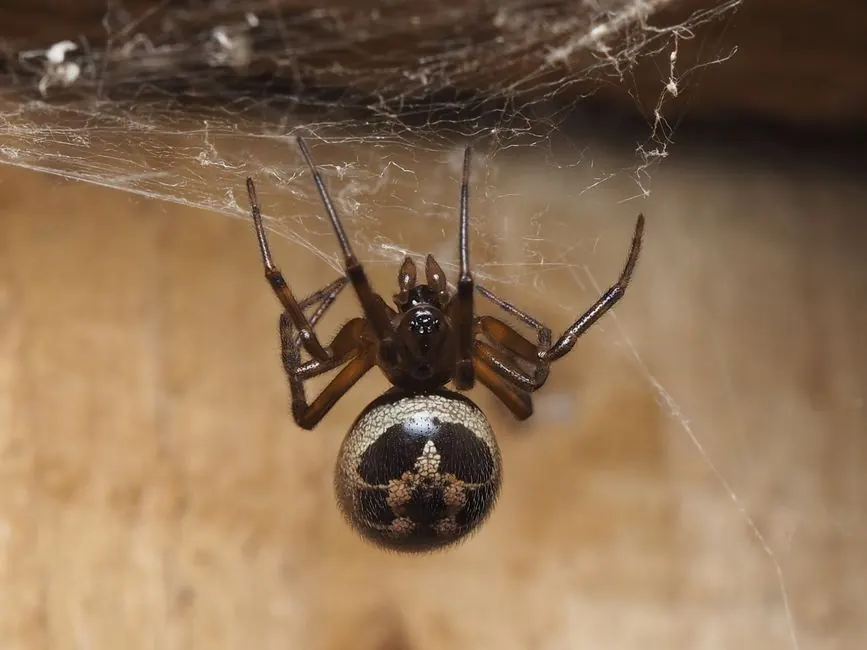
As the leaves change color and the air turns crisp, many homeowners in New York notice an increase in spider activity around their homes. Understanding the reasons behind this phenomenon can help you manage these eight-legged visitors effectively. In this article, we will explore why your house attracts spiders this fall and what you can do to keep them at bay.
Understanding Spider Behavior
Spiders play a crucial role in the ecosystem by controlling pest populations. However, their presence in your home can be unsettling. Spiders are generally solitary creatures that seek shelter, food, and moisture. As temperatures drop in the fall, they tend to venture indoors in search of warmth and a suitable environment to thrive.
Common Types of Spiders in New York
New York is home to various spider species, some of which are more likely to invade your home during the fall. The most common types include:
- House Spider: Often found in corners and undisturbed areas, they are usually harmless.
- Wolf Spider: Larger and more aggressive, they can bite but are not dangerous.
- Black Widow: Recognizable by their glossy black bodies and red hourglass markings, they are venomous and should be treated with caution.
- Brown Recluse: Rare in New York, but their bites can cause serious health issues.
Identifying these spiders can help you understand the level of threat they pose. For instance, while house spiders are generally harmless, a black widow requires immediate attention.
Why Spiders Enter Homes in Fall
As the weather cools, spiders look for places to escape the elements. Here are some specific reasons your home may be attracting them:
- Warmth: Homes provide a warm refuge from the cold.
- Food Sources: Spiders follow their food, which includes insects that may also be seeking shelter.
- Moisture: Basements and bathrooms, often more humid than other areas, can attract spiders.
- Access Points: Cracks and gaps in windows, doors, and foundations serve as entry points.
Understanding these factors can help you take proactive measures to prevent spider infestations.
How to Prevent Spiders from Entering
Preventing spiders from entering your home involves a combination of good housekeeping and strategic pest control measures:
- Seal Entry Points: Inspect your home for cracks and gaps. Use caulk or weather stripping to seal these openings.
- Maintain Cleanliness: Regularly vacuum and dust to remove webs and egg sacs.
- Reduce Clutter: Spiders love hiding in cluttered spaces, so keep areas tidy.
- Limit Outdoor Lighting: Bright outdoor lights attract insects, which in turn attract spiders.
- Use Natural Repellents: Essential oils like peppermint or tea tree oil can deter spiders.
Implementing these tips can significantly reduce the likelihood of a spider invasion in your home.
Common Mistakes in Spider Control
While trying to manage spider populations, homeowners often make several common mistakes:
- Ignoring the Problem: Assuming spiders will go away on their own can lead to larger infestations.
- Using Inappropriate Pesticides: Not all pesticides are effective against spiders and can harm beneficial insects.
- Overlooking Web Removal: Simply killing spiders without removing their webs allows them to return.
A proactive approach is essential for effective spider control.
When to Call a Professional
If you find that your spider problem persists despite your best efforts, it may be time to seek professional help. At Spider Control in New York, we specialize in identifying and eliminating spider infestations. Our experts can provide tailored solutions that not only remove spiders but also help prevent future invasions.
Frequently Asked Questions
Why do spiders come indoors in the fall?
Spiders seek shelter from the cold and look for food sources, making homes an attractive option during the fall.
Are all spiders harmful?
No, most spiders are harmless and beneficial as they help control pest populations. However, some, like the black widow, can be dangerous.
How can I tell if I have a spider infestation?
Signs include seeing spiders frequently, finding webs in corners, or discovering egg sacs.
What should I do if I find a spider in my home?
Unless it's a dangerous species, you can safely remove it using a jar and a piece of paper to relocate it outside.
Can I prevent spiders without chemicals?
Yes, maintaining cleanliness, sealing entry points, and using natural repellents can effectively deter spiders.